01 / Definitions
Stockpile definitions
Set the quality ranges that decide which material goes to which stockpile, for example by ash, head grade or Cu:S ratio, so the plant always has useful blending material.
BlendOpt is a configurable optimisation platform for mining value chains. Configured for stockpile optimisation, it decides how ore and coal should be split into stockpiles, how big each stockpile needs to be, and when to stack and reclaim from each one, so plant feed and products hit their quality targets at the lowest rehandle cost.
Improvement in 12-month forecast revenue after the client implemented new stockpile definitions and a moderate capacity change.
Taking the mine schedule as an input, stockpiles are optimised together with the processing plant and sales across the whole planning horizon, not one period at a time.
Set the quality ranges that decide which material goes to which stockpile, for example by ash, head grade or Cu:S ratio, so the plant always has useful blending material.
Work out how large each ROM and product stockpile needs to be, weighed against rehandle cost, space and haulage.
Decide what to stack, what to reclaim and when, across the whole schedule, instead of solving one day or one month in isolation.
Combine stockpiled and direct-feed material to keep plant feed and product quality consistent, even when the mining schedule cannot change.
Limit how long oxidising or fluidity-sensitive material sits on the ground, and account for stockpile age in every blend.
Decide which material to hold for later processing or future markets, and value that decision in NPV rather than this month’s tonnes.
Results BlendOpt customers have measured from better stockpile definitions, capacities and reclaim, in coal and copper.
A stockpile decision changes what the plant is fed, what products can be made and what they are worth.
BlendOpt takes the mine schedule as an input and models every stockpile, the processing plant, logistics and sales contracts together, so a change to one stockpile is valued by its effect on the whole operation. See how this works for coal blending, gold mill feed, lithium stockpiles and integrated mine planning and scheduling, or how BlendOpt is configured for metals mine-to-mill optimisation.
Extra stockpiling is weighed against rehandle cost, space and degradation, and only recommended where it adds value to the whole operation.
A coal operation used BlendOpt to test its ROM stockpile capacities and definitions, then implemented the recommended changes.
The mine was often forced to sell products that exceeded their quality requirements, with few options to change the mining schedule.
The challenge, solution and value unlocked for a coal mine’s stockpile strategy, as a PDF.
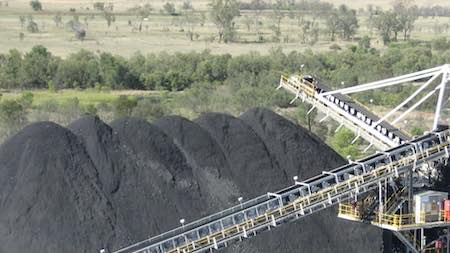
A moderate change in ROM stockpile capacity, weighed against rehandle costs.
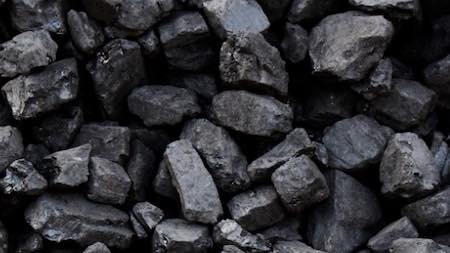
Several changes to the rules that decide which material goes to which stockpile.
The mine wanted to know whether changing its ROM stockpile capacities would lift its margin. It was often forced to sell products that exceeded their quality requirements, giving away value, and it had few options to change the mining schedule.
Site technical services believed that stockpiling selected materials might help. They wanted to understand:
Any extra stockpiling had to be weighed against rehandle costs, and some materials could not be stockpiled for long because their quality degraded quickly through oxidation and loss of fluidity.
BlendOpt was used to run a range of scenarios comparing stockpile capacities and definitions under different value-chain conditions, weighing the value of extra blending flexibility against rehandle costs and the limits on how long material could stay on the ground.
Acting on BlendOpt’s recommendations, the client implemented a moderate change in stockpile capacity along with several changes to its stockpile definitions, improving its 12-month forecast revenue by $24M a year.
How stockpile definitions, capacity, stacking and reclaim change what an operation can blend and sell.
Stockpile optimisation is deciding how mined material is divided between stockpiles, how large those stockpiles are, and when material is stacked and reclaimed, so the operation gets the most value from its ore or coal. Done well, it smooths plant feed, reduces off-spec product and creates blending options that the mine schedule alone cannot.
Stockpile definitions are the rules that decide which material goes to which stockpile, usually quality ranges such as ash, grade or a ratio like Cu:S. Changing them changes what can be blended later. In one coal operation, new definitions plus a moderate capacity change added $24M a year in forecast revenue.
No. Stockpiling costs money in rehandle and space, and some material degrades on the ground through oxidation or loss of fluidity. BlendOpt weighs those costs against the value of the extra blending flexibility and only recommends stockpiling where it pays.
Yes. BlendOpt takes the mine schedule as an input, and many operations have little freedom in the mining sequence anyway. In the coal consistency case study the mining schedule was fixed, and optimised stockpiling and CHPP strategies alone cut specification violations from about 35% to under 5%.
BlendOpt is used for coal, copper, gold, lithium, manganese and mineral sands, and any operation where material quality varies and has to be blended to a target.
Bring us the problem. We’ll show you what BlendOpt finds when the whole value chain is optimised together.
Tell us about the decision you are trying to make. We will show you how BlendOpt models it, whether you license the platform, commission a study, or have our specialists run it for you.